
Five Common Mistakes That Will Slow Down Your Development Application
"Just Get It Started" – The Trap of Rushing
You've got a project ready to go. Maybe you've secured a site, signed a lease with a looming commencement date, or you're working against a tight construction window. The finances are lined up, the contractors are on standby, and the one thing standing between you and breaking ground is a Development Application (DA).
But you didn't get into development to push paper — you’re here to build, to operate, to deliver. So it's completely understandable that you want to minimise costs and get this done as soon as possible. You may be thinking:
"I don't understand why all this paperwork is relevant here. I just need to get started”.
The instinct is to lodge the minimum viable DA to get things moving. But the harsh reality is this: a little bit of time spent now can mean a lot of time saved later.
Every hour you spend rushing a "good enough" application by “cutting corners” is an hour (or 3) you will likely spend later dealing with a request for further information from Council. That back-and-forth isn't just frustrating — it halts your momentum. It turns a few weeks of assessment into months of correspondence and rework.
Here, we're going to look at the 5 most common misconceptions about the process that results in an insufficient DA, which in turn can trigger these delays. Recognising them early is the fastest way to avoid an insufficient DA and keep your project moving.

Mistake 1: "Council Will Tell Us What They Need."
Many applicants treat the DA lodgement as a starting point for a conversation with Council, assuming that any missing pieces can be sorted out once the assessment begins. But a request for further information doesn't just pause the clock; it creates a cascade of inefficiencies. It can pause momentum, force consultants to rework documents and plans, delay notification or referral processes, and throw your entire project programming off track.
The better approach is to identify the likely information requirements before lodgement. This doesn't mean over-reporting every possible issue. It means matching the level of assessment to the nature, scale, location and impacts of your specific proposal. Don't wait for Council to tell you what you should have covered at the start.
Mistake 2: "The Plans Are Enough."
Plans are critical, but they rarely tell the whole planning story.
A good set of architectural plans will show you the built form, the layout, the setbacks, the access points etc. But they cannot explain the why or the how of the development. They don't explain land use characterisation, permissibility under the Local Environmental Plan, operational details, environmental impacts, staging, hours of operation, staff numbers, or consistency with statutory and non-statutory controls.
This is where the Statement of Environmental Effects (SEE) becomes vital. It translates your proposal into the language of the planning system. It provides the reasoning that supports approval. Without a strong SEE to bridge the gap between the drawings and the legislation, Council officers are left to piece together the narrative, which inevitably leads to delays. Oh and….SEEs are a mandatory lodgement document.
Mistake 3: "Specialist Reports Can Be Added Later."
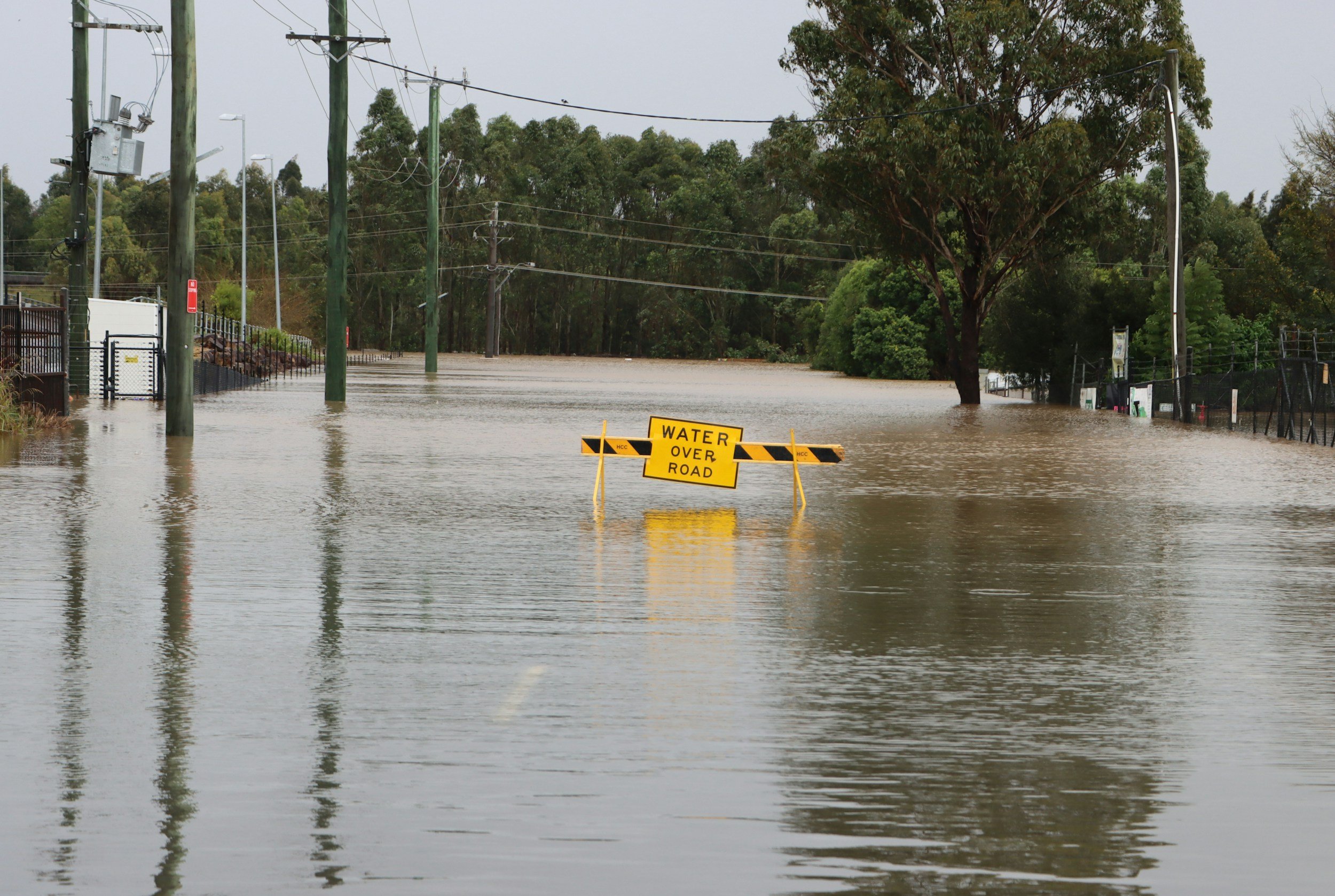
Sometimes, additional reports can be provided later, but treating this as a strategy is high-risk. Most Councils will not accept a DA without it being accompanied by all necessary specialist reports.
If a missing report goes to a fundamental issue — such as flooding, bushfire, biodiversity, contamination, traffic safety, (just to name a few) — Council may be unable to properly assess the application until that information is provided. If that happens, the consequences are severe:
The lodged plans may need to be changed to address a fundamental constraint revealed by the late report; and
Other accompanying reports may need to be revised to reflect the new plans.
This can result in significant costs and extensive time delays.
Consider a bushfire assessment: if the report recommends asset protection zones that conflict with your proposed landscaping or boundaries, and you didn't include that report upfront, you might have to redesign the entire site layout. It is far more efficient to integrate these constraints and design considerations from day one.
Mistake 4: "A Complete DA Means a Guaranteed Approval."
It is important to manage expectations: a complete DA package does not guarantee consent.
However, it does give the application the best opportunity to be assessed on its merits. A complete package reduces avoidable uncertainty, assists Council officers to understand the proposal clearly, and helps the Development Coordination Authority to provide more focused responses.
Conversely, an incomplete package forces the assessment officer to guess, ask questions, and wait for answers. In a system that is increasingly complex, completeness is not just an administrative requirement; it is a project risk-management tool.
For what I recommend as a Complete Development Application Package, check out this article.

Mistake 5: “As Long As The Reports Are In There, We’re Good - Right?”
One of the most common issues isn't necessarily that a specialist report is missing, but that the reports that do exist don't align with the latest plans. When documents are prepared in isolation, inconsistencies creep in:
The traffic report may assess 20 car spaces, while the site plan shows 18.
The acoustic report may assume daytime operation only, while the SEE describes evening deliveries.
The stormwater plan may rely on a layout that has changed due to revisions applied to the architectural plans.
The bushfire report may recommend asset protection zones that conflict with proposed landscaping or biodiversity requirements.
The contamination assessment may recommend further investigation, but the SEE fails to address when or how that will occur.
A complete DA package should read as one coordinated assessment, not as separate documents prepared in isolation. When the numbers, layouts, hours and assumptions don't match, Council cannot proceed with their assessment.
Integrated Development: The Hidden Trap
For integrated development, the stakes are even higher. The legislation requires the DA to contain specific information about relevant referral and concurrence requirements under section 4.46 of the Environmental Planning and Assessment Act 1979.
If these approvals are missed or incorrectly identified, the assessment pathway itself can become uncertain. You might find yourself in a situation where the application cannot be determined until a agency gives its concurrence — a process that can take months if not initiated correctly at the start.
The Bottom Line
Requests for further information are not always avoidable. Some issues genuinely emerge through assessment, referral, or public notification. However, many requests for further information can be reduced through better early scoping, clearer documentation and stronger coordination between the design team, specialists, and planning consultants.
Don't let a supposed "quick" DA turn into a long, expensive struggle. The goal isn't just to submit an application; it's to submit an application that moves efficiently towards a decision.
Need help avoiding these common pitfalls?
At Blue Sky Planning & Environment, we help clients coordinate specialist inputs and prepare clear, practical planning documentation that stands up to scrutiny. We ensure your plans, reports, and statements tell the same story, reducing the risk of delays and giving your project the strongest possible foundation.
If you want to avoid the back-and-forth and get your project moving, please get in touch.

Ready to Move Your Project Forward?
Fill out the short brief form and I’ll contact you soon to create a customised proposal.
